Getting Started
How Fiverr Payments and Refunds Actually Work
7 min read · Updated 2026
One of the most common hesitations for first-time buyers is a simple question: what happens to my money if something goes wrong? Understanding how Fiverr's payment system actually works removes most of that uncertainty — and it's more buyer-protective than many people expect.
How Payment Works When You Place an Order
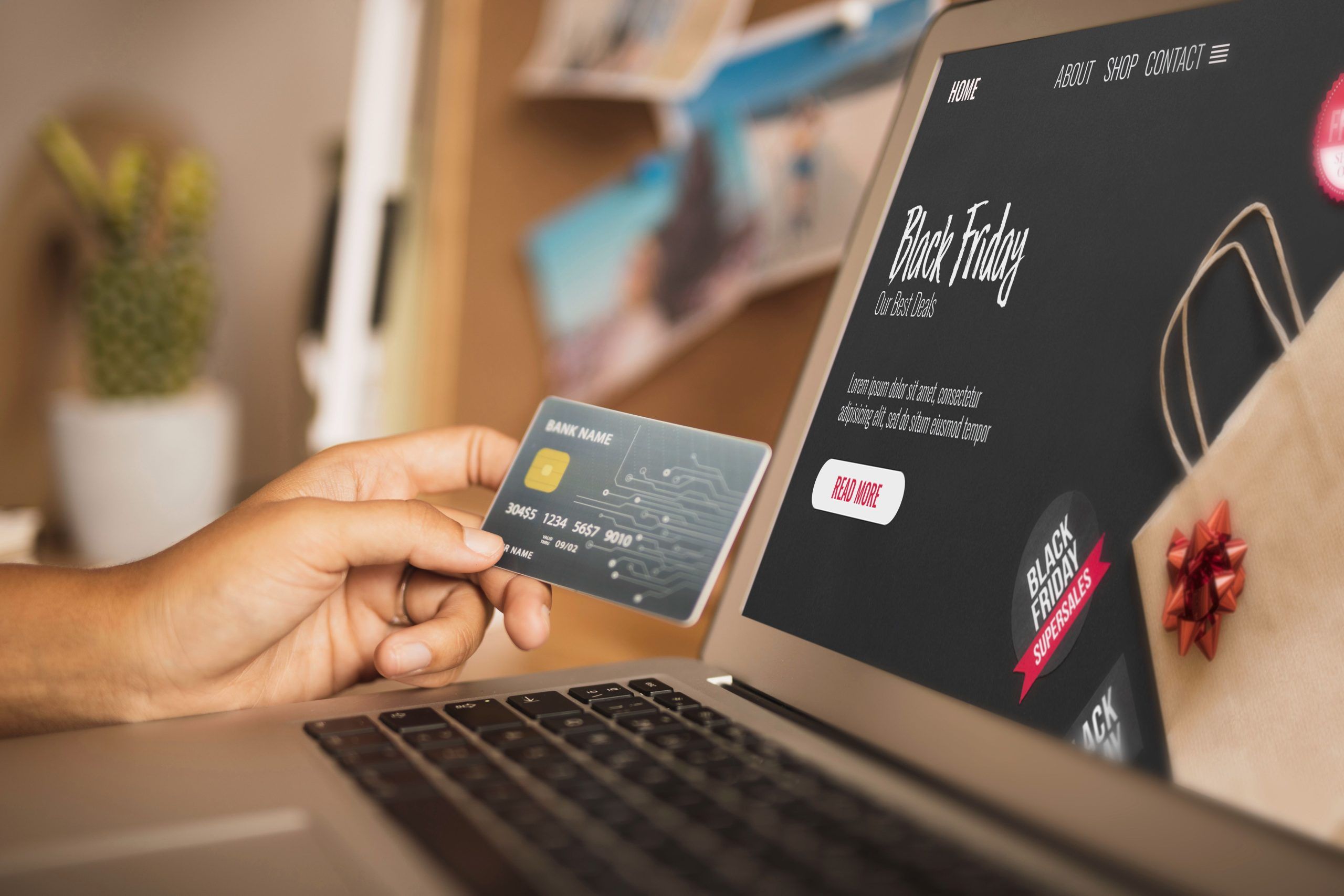
When you order a Gig, your payment is processed immediately, but it isn't released to the freelancer right away. Instead, it's held by Fiverr until you mark the delivered work as complete. This structure protects you from paying for something that's never delivered, and it protects the freelancer by guaranteeing payment is already secured once they start the work.
What Happens at Delivery
Once the seller submits their delivery, you have a window of time to review it. From there, you can:
- Accept the delivery, which releases payment to the seller
- Request a revision, if the number of included revisions hasn't been used up and the result doesn't match the original brief
- Open the order for discussion, if there's a disagreement about whether the delivery matches what was agreed
If you take no action within the review window, the order typically completes automatically — so it's worth reviewing deliveries promptly rather than letting them sit.
When Refunds Are Possible
Refunds aren't automatic just because you're unsatisfied with subjective aspects of the work — but they are available in genuine cases such as:
- The seller doesn't deliver anything by the agreed deadline
- The delivered work is fundamentally different from what was described in the Gig or agreed in messages
- The seller is unresponsive and unable to complete the order
For disagreements about quality or scope, Fiverr's resolution process can help mediate between buyer and seller before a refund decision is made.
How to Avoid Needing a Refund in the First Place
The vast majority of refund requests trace back to one of two causes: a vague brief that led to mismatched expectations, or skipping the step of messaging the seller before ordering something with custom requirements. Both are easy to prevent:
- Write a specific, detailed brief before ordering — see our guide on writing a project brief
- Message the seller first for anything beyond a simple, clearly defined task
- Choose the right package tier, so the scope of what you're paying for actually matches what you need
- Review the delivery promptly and use revisions if something is close but not quite right, rather than escalating immediately
What Buyer Protection Actually Covers
Fiverr's protections are strongest when everything stays on the platform — messages, files, and payment. If a dispute arises, having the full project history within Fiverr's system is what allows the resolution process to work effectively. Moving communication off-platform, even for convenience, removes this safety net. For more on vetting sellers before you ever get to this stage, see our guide on finding a reliable freelancer on Fiverr.
Ready to place an order with confidence? You can browse Fiverr's Gigs here knowing your payment is protected until you approve the final delivery.
Frequently Asked Questions
When does Fiverr release payment to the seller?
Payment is released once you approve the delivered work, or automatically after the review window closes if no action is taken.
Can I get a refund if I just don't like the design style?
Subjective preference alone typically isn't grounds for a refund — using the included revisions to adjust the direction is usually the better first step.
What should I do if a seller doesn't deliver on time?
Late or non-delivery is a legitimate reason to contact Fiverr's support or resolution process for a refund.
Final Thoughts
Fiverr's payment structure is built to protect buyers by default — your money isn't released until you're satisfied with the delivery or the agreed revisions are exhausted. Understanding this upfront should remove most of the hesitation around ordering for the first time, and following a few simple habits (clear briefs, prompt reviews, staying on-platform) prevents the vast majority of payment or refund issues before they happen. New to Fiverr? Start with our guide on what Fiverr is and how it works.
Affiliate Recommendation
Ready to place an order with confidence?
We're an affiliate partner of Fiverr — if you sign up or make a purchase through the link below, we may earn a commission at no extra cost to you. Learn more.
Get Started on FiverrNot sure how to spot a trustworthy seller yet?
Go back to our guide on red flags to avoid before you place your next order.
Read: Avoiding Red Flags